The Donnington Project
Recreating 14th-Century Berkshire Ruins in a 1996 Engine.
SPOILER ALERT
THE FOLLOWING PAGE CONTENTS CONTAIN INFORMATION REGARDING THE LOCATION, CONCEPTION, AND CONSTRUCTION OF THE HIDDEN SECRET WITHIN THE DONNINGTON RUINS MAP.
By proceeding, you are bypassing the intended "discovery" phase of the project. We are pulling back the curtain on the digital masonry to reveal how a specific secret was "conceived and built" from the initial concept, ideas, brushwork in J.A.C.K. to details on how to trigger it in the map. If you wish to experience the map as a "pure" explorer and find the secret yourself - please exercise caution.
Proceed only if you are ready to see the blueprints behind the magic...
The Concept
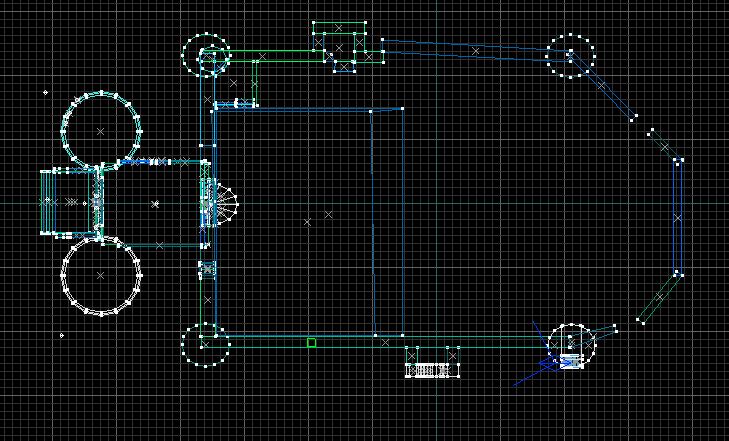
The centerpiece of the secret is the discovery of a hidden private chapel tucked deep within the masonry of the gatehouse.
Did Donnington ever have a church? Archaeology says "no standalone building," but historical status says "almost certainly a private chapel". For the Quake map, this gave me a creative license to interpret the interior ruins and because of this our digital reconstruction will pay homage to a different kind of deity - the Dopefish.
Who is the Dopefish?
Originally appearing in Commander Keen in the early 1990s which was an earlier game by Id software the creators of Quake, Over the decades, the Dopefish has become one of the most iconic "Easter eggs" in gaming history, making cameo appearances in multiple titles (about 60!) like Quake, Doom, and Rise of the Triad. tTe dopefish was iis described as the second-dumbest creature in the universe, possessing a thought pattern that consists of nothing but "Swim, swim, hungry."By dedicating this hidden chapel to the Dopefish, the map bridges the gap between 14th-century Berkshire history and the shared heritage of 90s PC gaming and a bit of geeky humour to boot.
Alls WELL that ends well?
For the the discovery of the Dopefish Chapel into the environment, I wanted a trigger that felt grounded in the castle's landscape yet rewarded the most observant explorers. I settled on using a hidden well tucked away among the dense grass elements as the physical switch for the secret. The well doesn't exist in the real location, and I cannot find any evidence in my research that one ever existed - there must have been a fresh water supply nearby though.
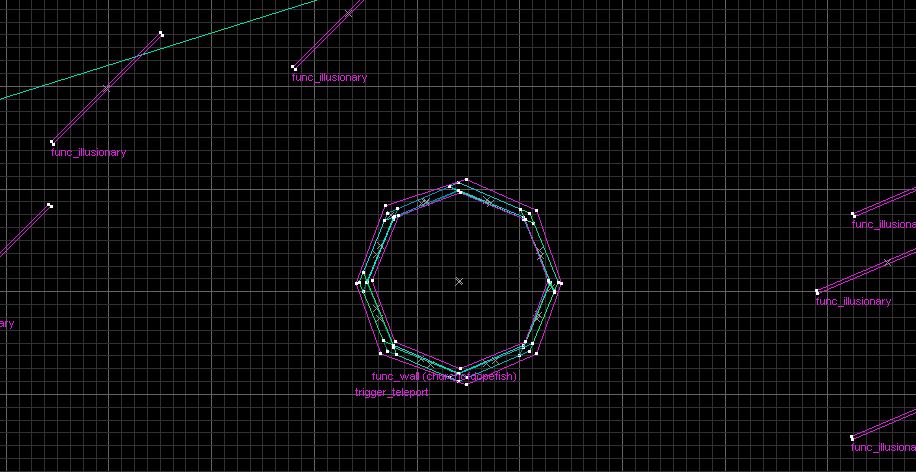
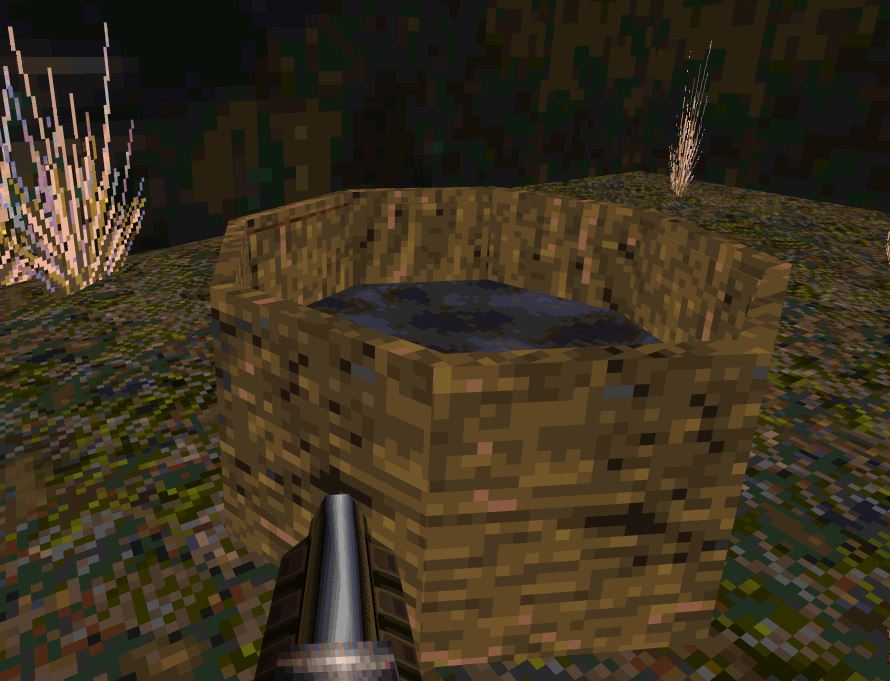
My secret bridge the gap between a dry architectural model and a living game world, rewarding players for spending time looking around.
The chapel
What started as a simple, water-filled chamber with a solitary texture block soon spiraled into a labor of digital devotion. I realized that a mere "easter egg" wasn't enough; the Dopefish deserved a sanctum. I retained the flooded floor - a necessary nod to our aquatic deity! On it I layered in a walk way with planks to create a subterranean boardwalk. The hidden well acts as a mystical conduit, teleporting the curious explorer directly onto the altar. To heighten the atmosphere of a clandestine "cult room," I framed the space with pews and those classic "Four Horsemen" stained glass textures from the original Quake files. However, the true masterstroke is the central window: a high-fidelity mosaic render of the Dopefish sourced directly from the official archives at dopefish.com - it was pefect to use as the main stained glass window. I obsessed over the forensic details - adding ornate trim around the window frames and adjusting the torchlight to cast flickering, long shadows across the stone.
I am proud of the result! It's a space that feels equal parts eerie and bloody absurd, a secret shrine where the masonry hums with a singular, silent command - All Hail the Dopefish!
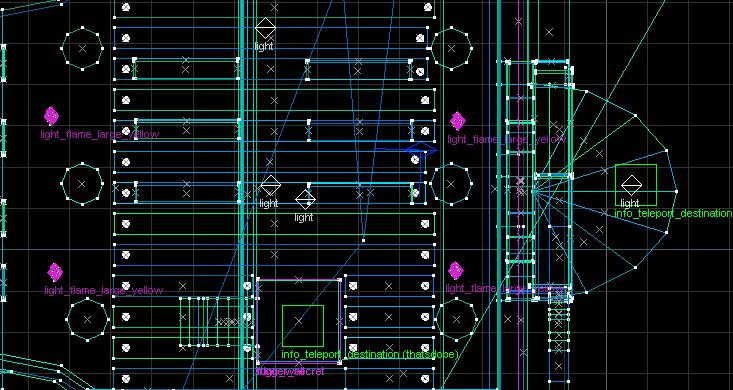
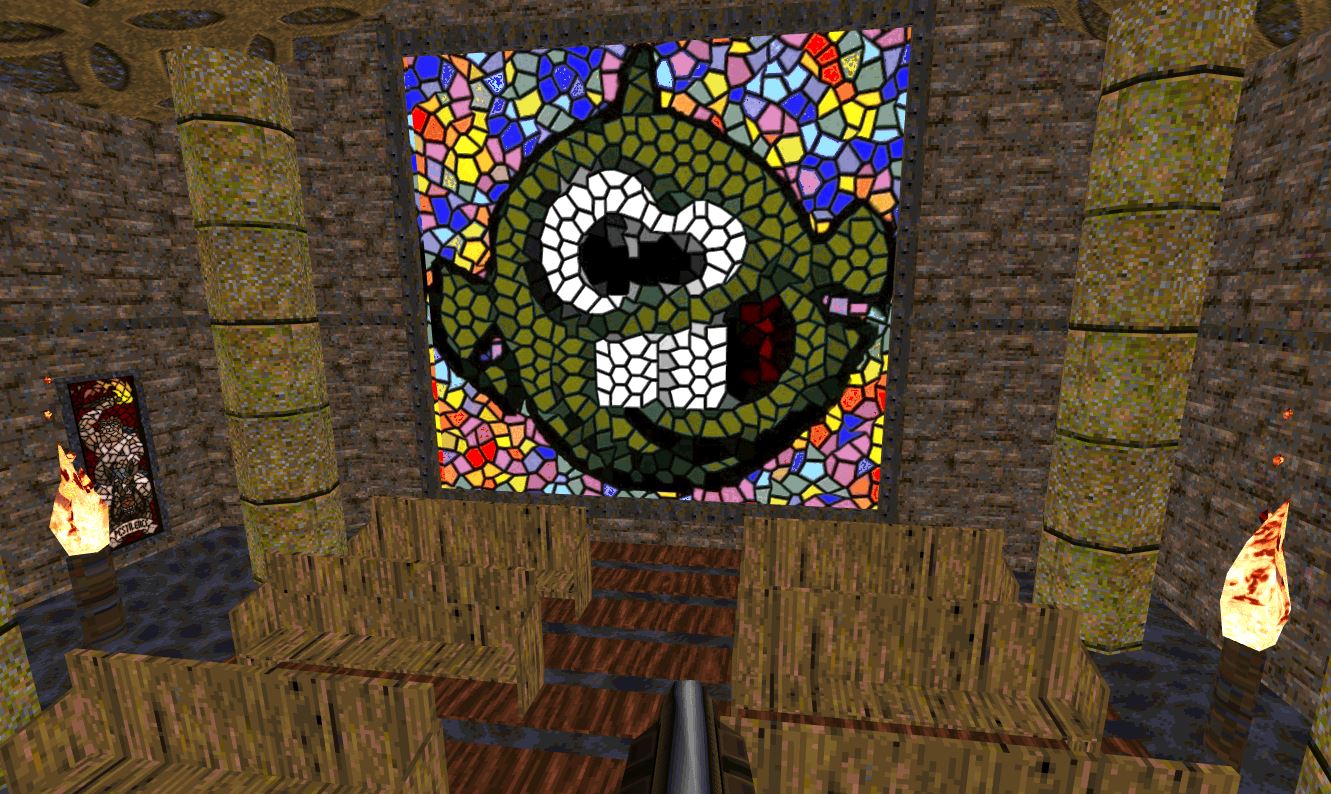
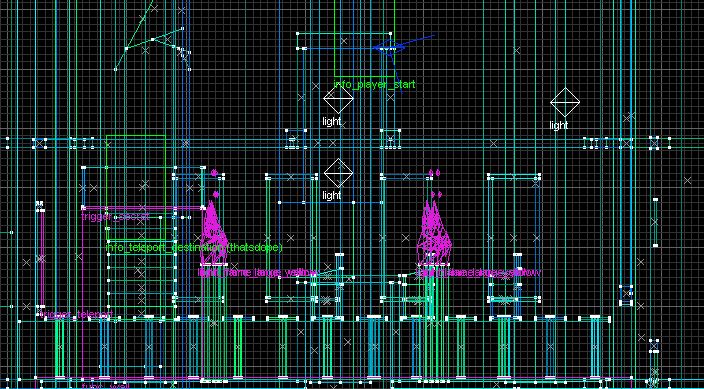
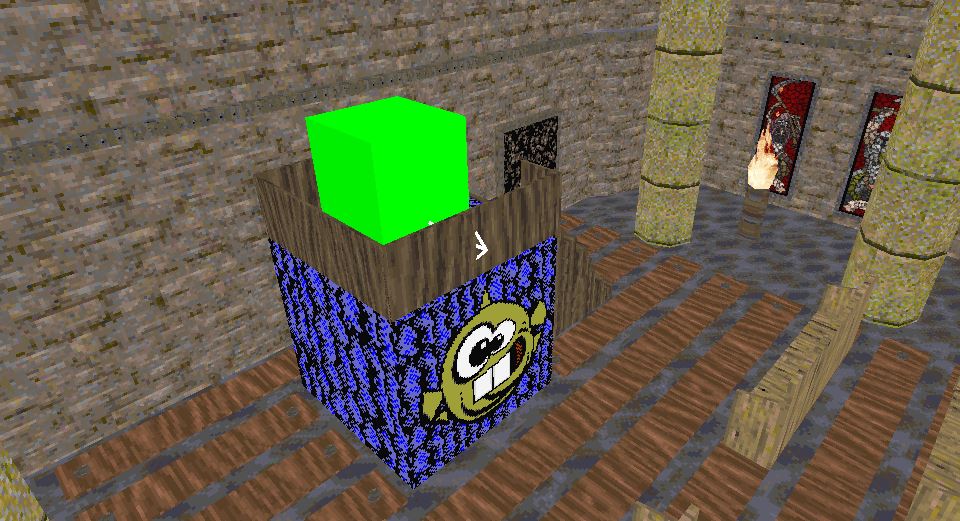
My secret bridge the gap between a dry architectural model and a living game world, rewarding players for spending time looking around.
Beyond the Pixels: The Gatehouse Visit - August 2026 Bank Holiday
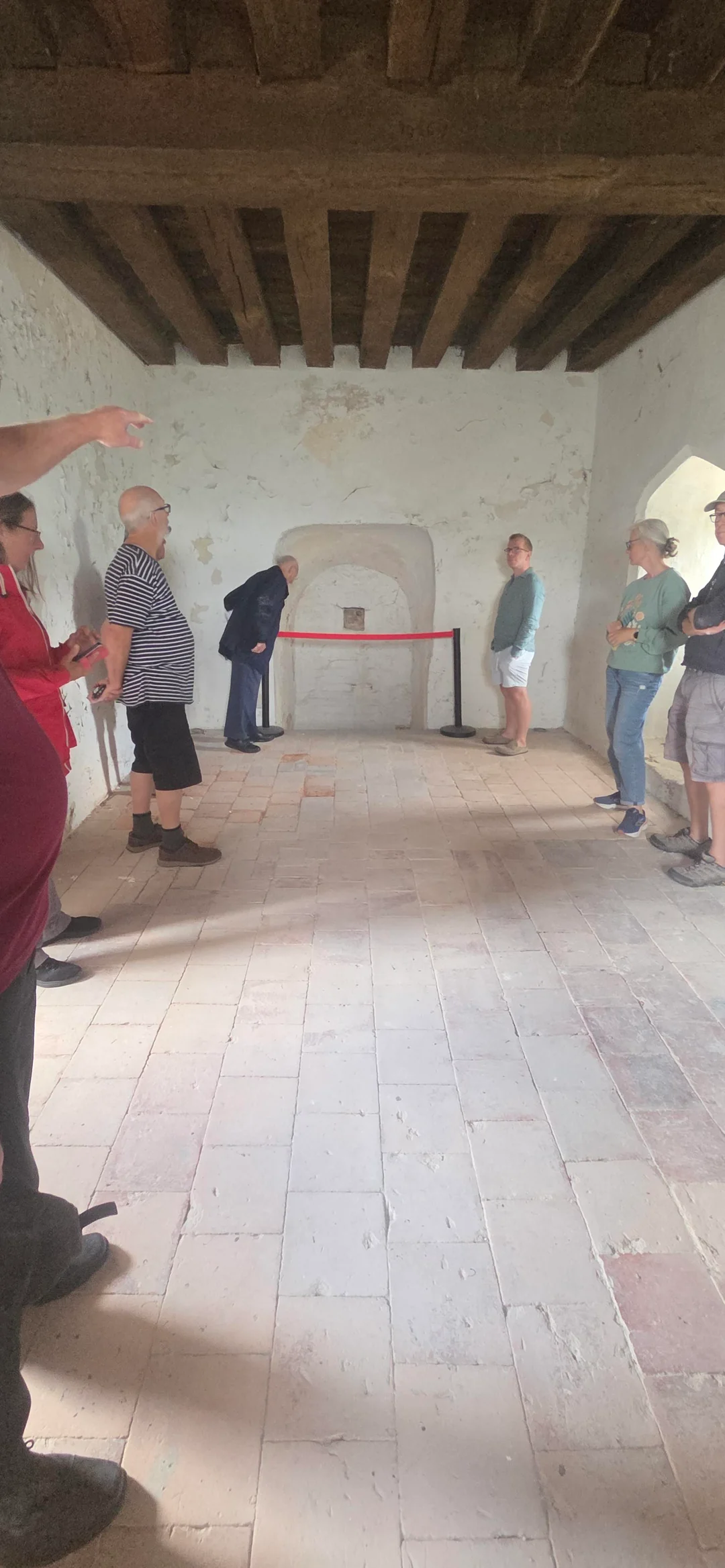
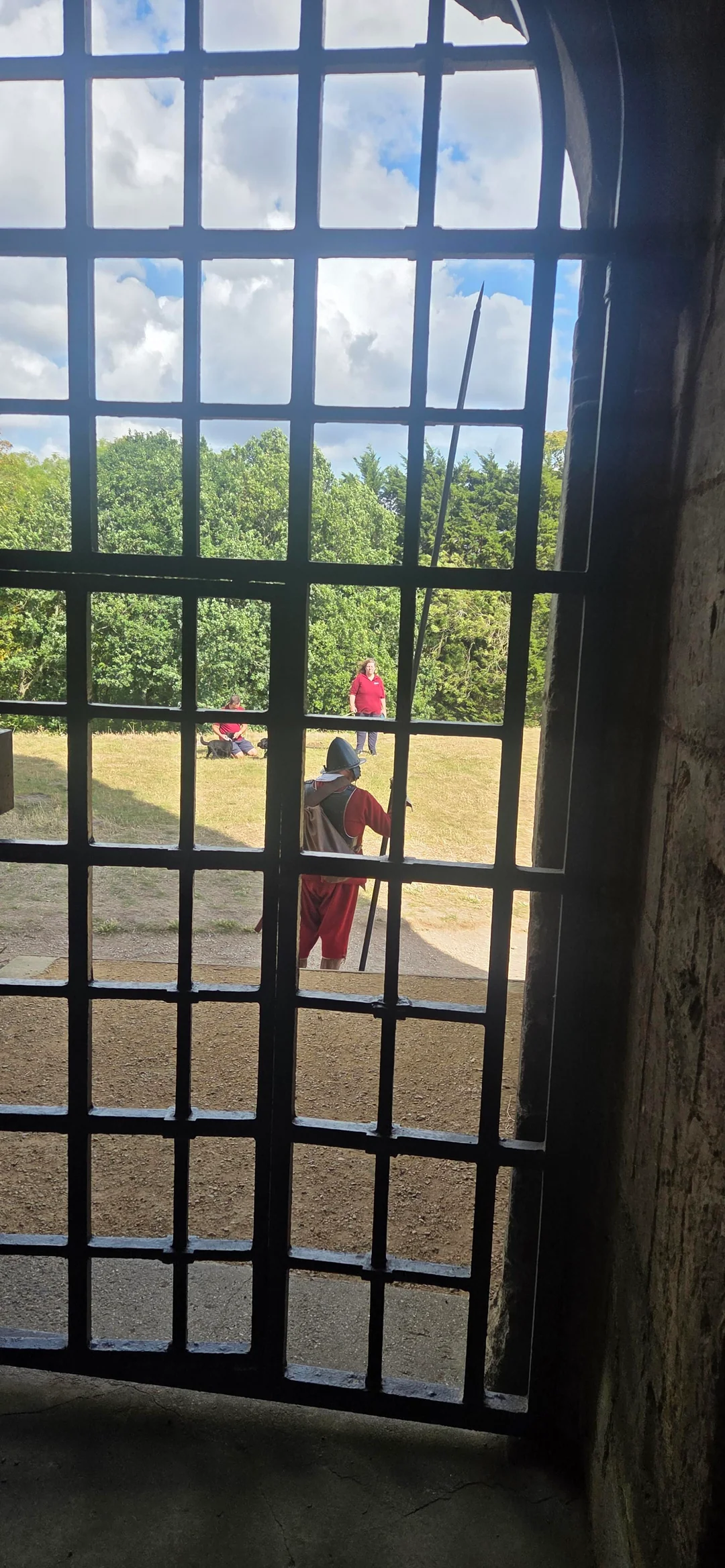
After rebuilding these ruins in the Quake engine, my wife completely surprised me with a trip directly into the Donnington Castle gatehouse - a section that is usually strictly closed to the public!
I was granted access to step upstairs for the very first time. English Heritage is currently permitting a small handful of visitors up to the second level, with plans to expand access all the way up to the roof next year.
The Real Interior
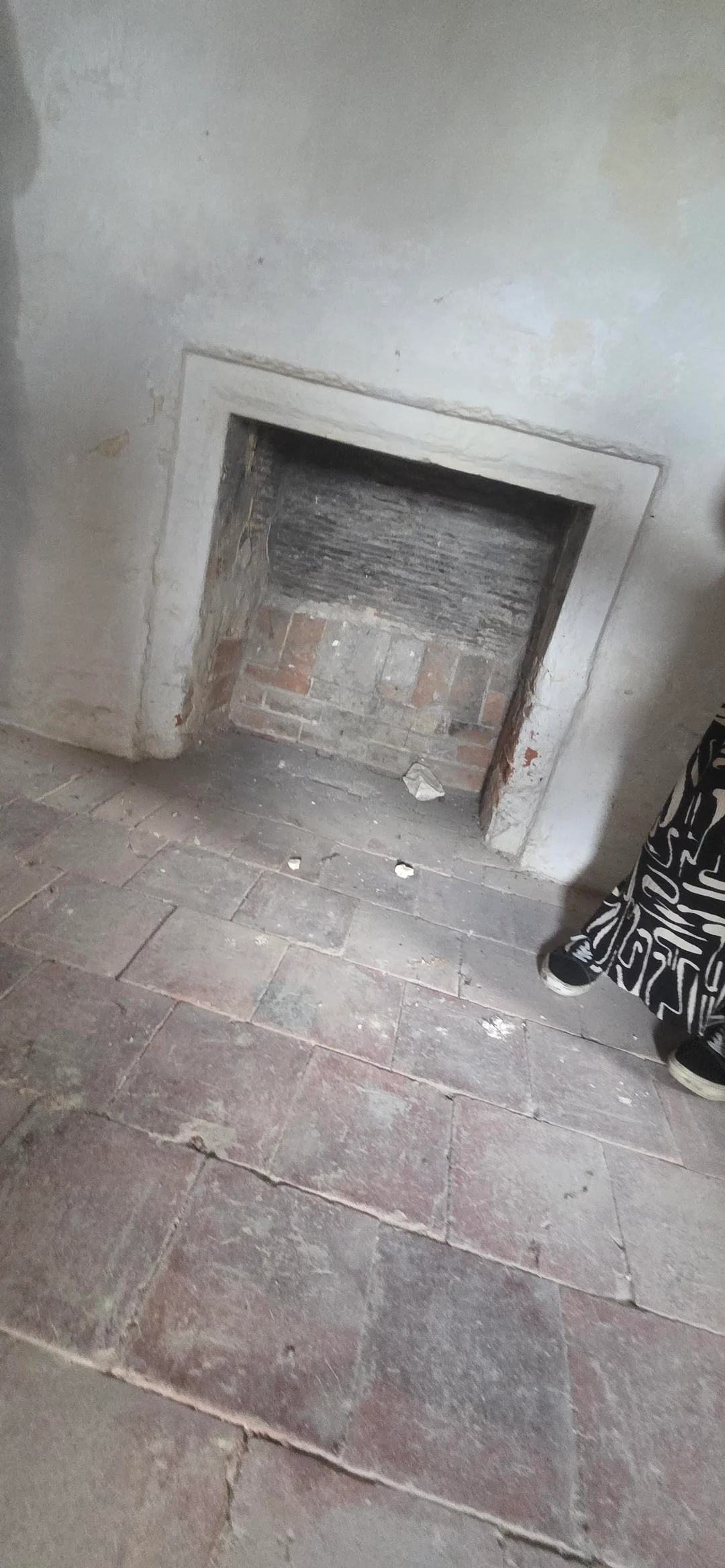
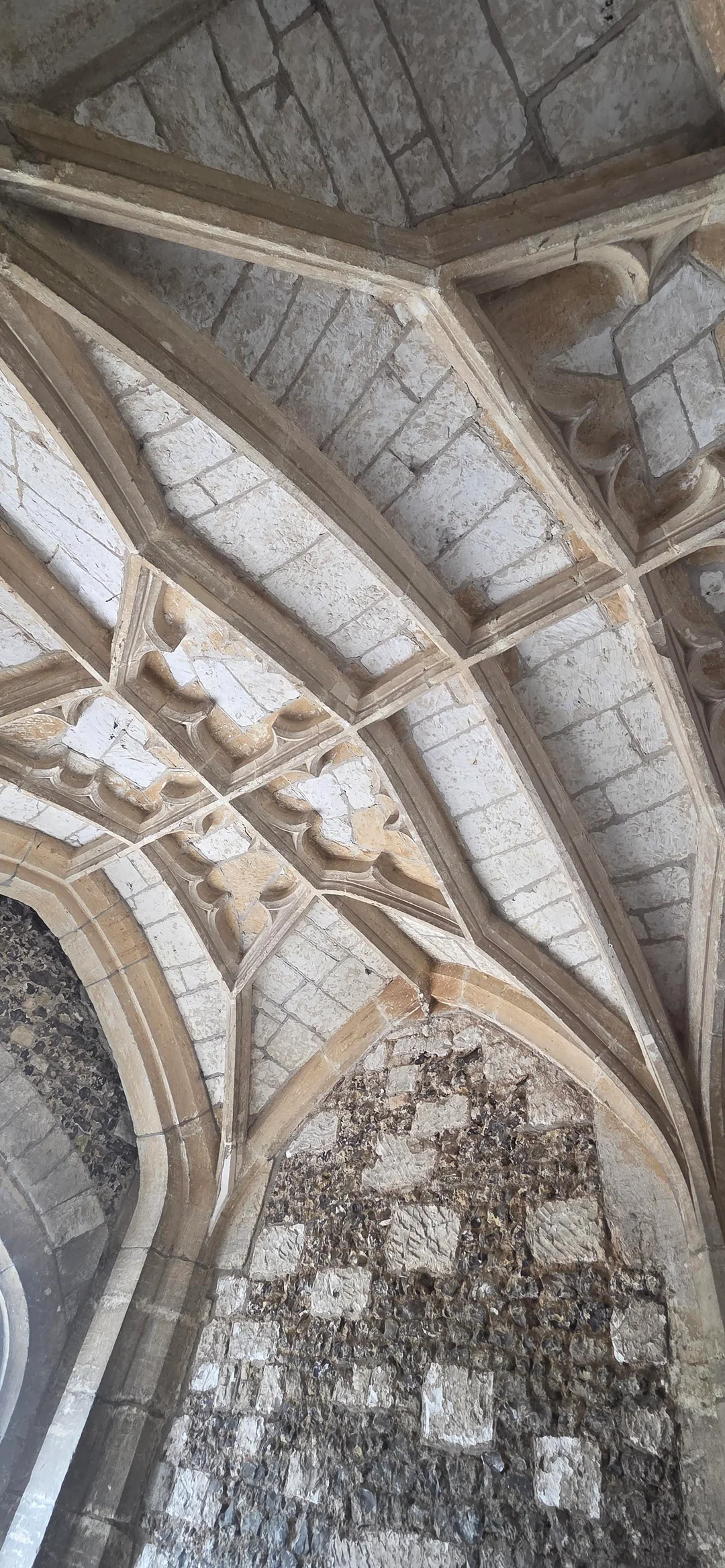
Unlike my digital reconstruction, there is - alas - no hidden shrine dedicated to the almighty Dopefish on the upper floors. The real-world interior is actually quite plain compared to the grand exterior, but standing inside the historic stonework after mapping it brush-by-brush was an incredible experience.
Spreading the Word
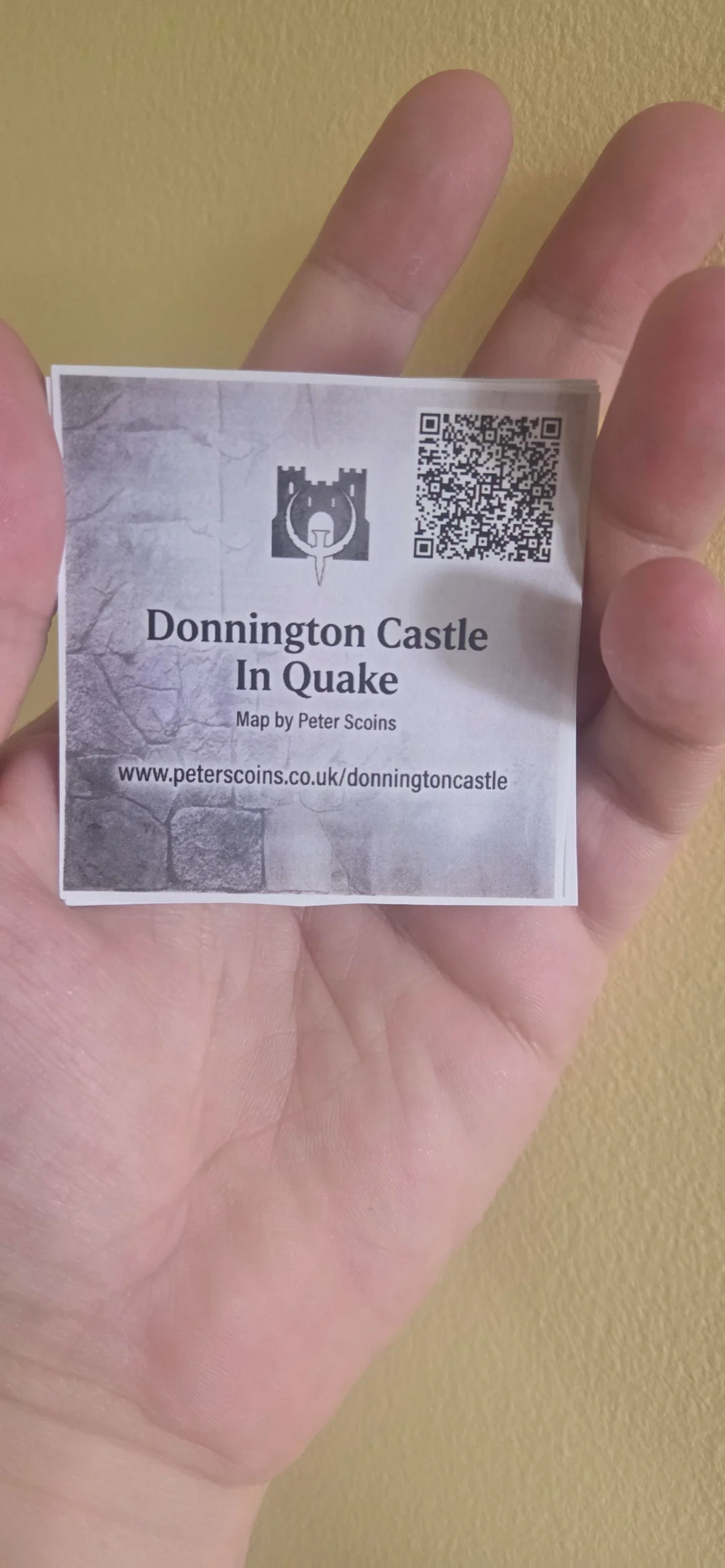
During the visit, I had the chance to chat with the local English Heritage volunteers and handed out a few business cards highlighting the project and the map. Hopefully, the news of the map will spread. I also understand from the volunteers there have been a recent LiDAR scan of the castle, which hopefully may mean more 3d models may be built soon.
If you haven't visited Donnington Castle in person yet, keep an eye out for future roof access openings!